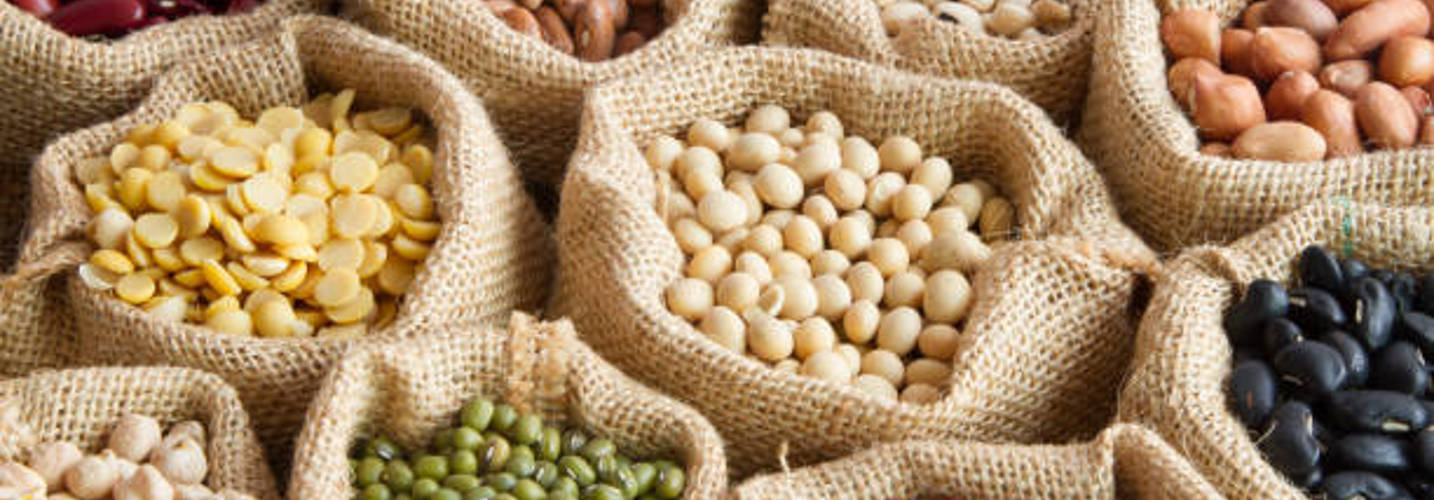
Bean samples free from Cff
Starting from 23 April 2026, new EU regulations will apply: bean seed from outside the EU must be tested for Cff before export to the EU. This testing requirement does not apply to seed within the EU.
What do we ask from you?
When submitting samples of the crops dwarf french/climbing french bean (Phaseolus vulgaris), runner bean (Phaseolus coccineus), or broad/field bean (Vicia faba) for DUS testing, maintenance inspection, trial field testing, authorization or resistance testing we ask for one of the following:
- A plant passport as a declaration that the material is free from Cff.
Note: A plant passport is not mandatory for research purposes, but most sample packages already include one. A plant passport generally guarantees compliance with all EU requirements, including freedom from quarantine pests such as Cff.
If a plant passport is not available:
- A declaration based on origin or own knowledge (a test certificate is not strictly required) stating that the sample is free from Cff.
The declaration may be:
- preferably printed or mentioned on the sample package
- or added as an attachment
- for seed from outside the EU: via the phytosanitary certificate
Why?
Your declaration allows us to ensure that the material is safe for inclusion in our trials.
If you have any questions, feel free to contact us.
Bekijk ook

News item
Gazette of the Board for plant varieties March 2026
The Gazette is the government publication sheet. The new Gazette is published every month.
News item
Gazette of the Board for plant varieties February 2026
The Gazette is the government publication sheet. The new Gazette is published every month.
News item
A guide to Plant Breeders' Rights and Registration Procedures
Would you like to learn more about the world of Plant Breeders' Rights and variety testing? Then sign up now for the training on 31 March 2026